 VIASONDE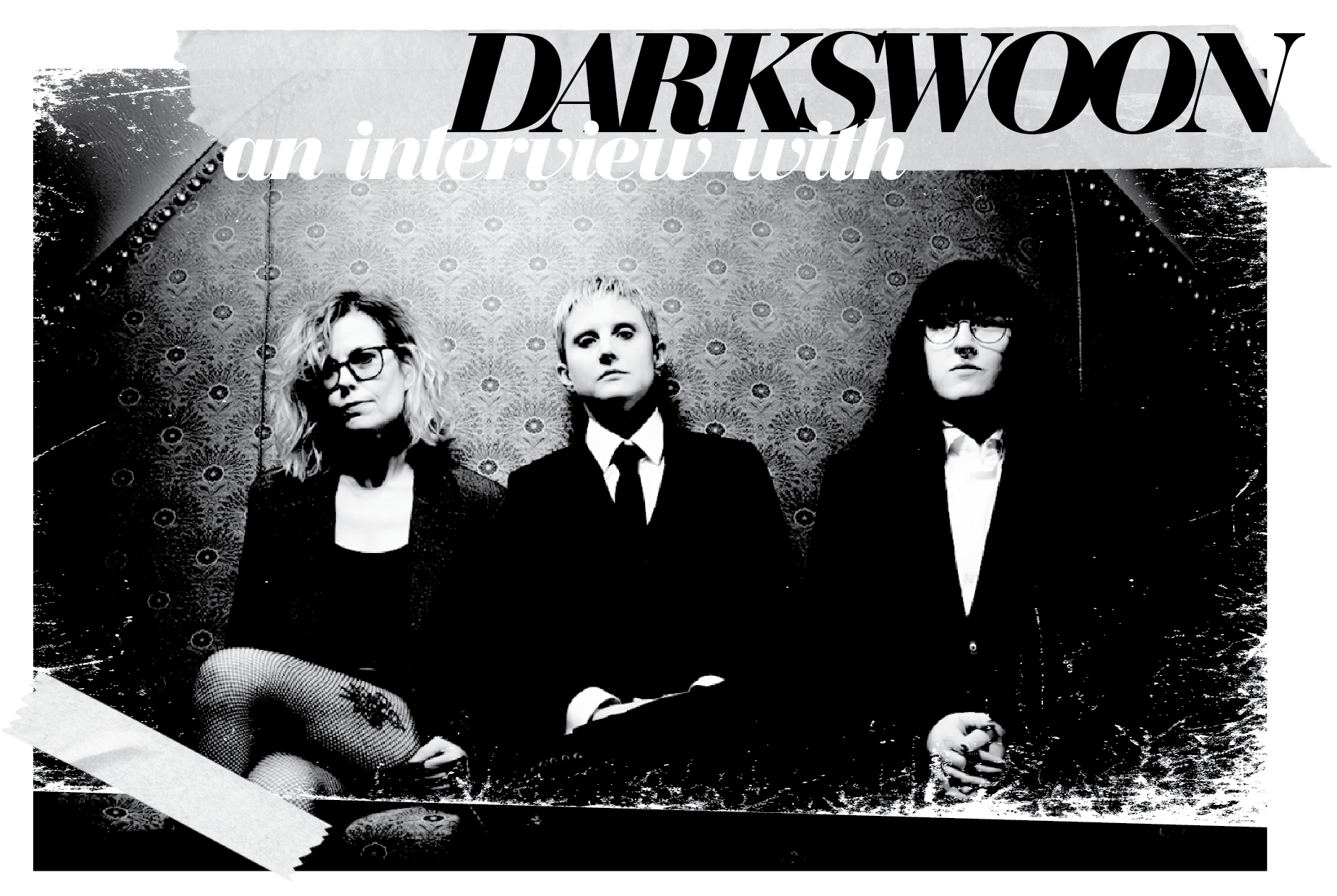
In this fifth issue of the Viasonde zine, we have a very special and candid chat with Jana of Darkswoon on the heels of the release of their latest album, Antivenom. Let’s start with the new album Antivenom. Can you share the meaning behind the title and how it connects to the record as a whole?
I wrote the song Antivenom, which then became the new album’s title track, after reading about what happened to Nex Benedict. Nex was a trans non-binary teenager in Oklahoma who took their life two years ago after suffering abuse and bullying by classmates. As a trans non-binary person, I felt deeply affected by this. Trans folks and especially trans youth are so vulnerable. They are increasingly targeted both violently and politically. The song started as a kind of protection spell and reflection on my own helplessness, thinking about these lives cut short and who they could have grown to be. As the album developed, it seemed like the right title for the entire body of work. While working on this record, I was thinking a lot about how music (and really any artform) can be an antidote to the poisons of the world. Creative projects can sometimes feel like creating into the void and especially with the continuous breaking news cycle of horrors I can find myself questioning the value of the effort. But to create something as an offering, a positive energetic exchange in contrast to the cycle of consumption and destruction is invaluable and something we need. Antivenom-both the song and the album-is about sucking the poison out and caring for the wound.
What would you say were some of the greatest influences–music or otherwise–on the creative process for Antivenom?
I tried something different with this album and wrote the majority of the music at the Pacific coast through 3 separate solo writing retreats. I’d set up my music gear to look out at the water and had a somewhat strict schedule of writing/developing music. I microdosed on mushrooms to help me focus and experiment. The majority of the songs came out of this process. I often don’t listen to a lot of music while I’m consciously in composing mode. Or if I do, I try to make it somewhat ambient electronic or filmscores-nothing that will get stuck in my head and influence my writing choices.
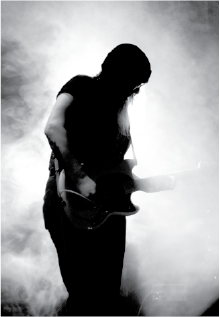 You play live quite regularly, and as a trio you’re an especially tight and accomplished unit. Is there a particularly intense rehearsal process behind that, or does it come naturally at this point?
Rachel and I practice quite a lot together. We live together so it’s easier to just head downstairs and get into music. Sometimes during a show week, we might practice every day. I still get nervous to perform so this helps me feel a little more confident. Norah prefers to practice less obsessively with us but we have been practicing as a trio for about once a week for years now, even throughout the pandemic. I wouldn’t call our routine intense but dedicated.
Looking at your evolution: by Bind, things seemed to begin to crystallize, and then Bloom Decay arrives as a very focused, emotionally powerful statement. What do you think clicked creatively that led to that huge leap forward?
Several things changed between Bind and Bloom Decay. When I was writing the music for Bind, I was still trying to find the sound of Darkswoon. I wrote half that album before Rachel and Norah joined, so I was thinking about the music differently in terms of arrangement and space within the song. Each album, I like to add a new piece of gear to push the creativity in different directions. The addition of the Elektron Digitakt advanced the textural layers and complexity of the rhythms for Bloom Decay. We also had this luxury during the pandemic to fine-tune everything. Not having any deadlines in the composition process and again, no time constraints as a trio for the collaborative development stage gave us space to explore in a way we hadn’t previously. It was the first album I recorded myself at home instead of in a studio which really changed the performance quality and flexibility to experiment/dial it all in during the process. Another difference was the collaboration with Jeremy Wilkins who co-produced and mixed Bloom Decay (and Anitvenom) who really helped elevate the production. We’re now sitting more comfortably in our own sound.
As a band with three LGBTQ+ members, do you feel that your identities as queer artists shape your creativity or the way you approach music, either consciously or subconsciously?
Speaking for myself, as a queer person, this comes through a lot. Some songs are more obvious, dealing with subjects around gender dysphoria, trans identity, queer love. I do make an effort to write in a way that is more interpretive, always hopeful that people can experience our music and connect with it in their own way. We are more outspoken about our identities though and this definitely comes through in the music and performance. Representation matters. It’s a privilege to be out and although it’s not safe for everyone to do so, I feel it’s important for those who can to lead the way. Our music is queer at the core but I love that people are finding ways to connect to our music that resonates with them on a personal level and beyond, not just through a queer lens.
Is there a particular mood, emotion, or sonic territory you’ve been trying to capture in a Darkswoon track that you haven’t quite managed to fully realize yet?
Well, we haven’t yet captured that happy, carefree song vibe yet! Just kidding though. That’s an interesting question. I want to keep evolving and finding uncharted territory within this project. I’m not sure that I feel there is something yet unrealized but more so that I don’t feel set on staying in the same place with the music with each release. I want to keep exploring, finding fresh inspiration towards a creative push in new directions. Anitvenom has one angry song on it and it was really cathartic to tap into something more sinister. That is something we haven’t done a lot: dark and angry. I think with the way the world is going, there may be more opportunity to channel this energy.
The closing track on Antivenom, Going Dark, has a very direct and striking title. Ending the album this way almost suggests finality or withdrawal. Was that intentional, or are we reading too much into it?
The first lines of this song “looking into the future, I am ready to see in the dark” are speaking to the future feeling bleak, preparing for how to live through increasingly dark times. But there’s a bit of thematic opting out in a more general sense, too. By the end of the song, the lyrics state “I’m not ready to say goodbye” which is grappling with the acceptance and resistance of endings. This and the urge to disappear completely. Although it isn’t a coded way of alluding to any sense of finality, there is this sense of urgency and mortality within the song. It’s a bit of an ellipsis not a conclusion.
Your previous albums were released through Icy Cold Records, a well-known name in the scene. What motivated the move to the newer relatively unknown imprint Viasonde?
We are really grateful to Icy Cold Records and JL Martel for releasing our last two LPs. But I knew I wanted to work with an independent label in the US for this release. The decision came with the increasing difficulty and cost of restocking our vinyl and cds from overseas. Certainly, tariffs haven’t helped. On a practical level, working with an indie label in the US made more sense this time around. On a more personal level, we’ve known Mike Cadoo of Viasonde for several years now, playing shows with Vague Lanes around the West coast and have become friends. Both a musician I really respect and a good human, it’s an honor to work with Mike and be a part of the beginning of Viasonde.
 Finally, can you walk us through how a Darkswoon song usually comes together—how each of you is involved, what tends to spark the initial idea, and whether there are any creative risks you’re considering taking on your next release?
Guitar is my primary instrument but these days, I almost always start by building a beat followed by a sequence or droning synth pad-something in the key I want to write within. Then I build a melody or sketch out root notes using either guitar or keys. I usually write lyrics and music independently and then fit them together as the song evolves. Once I have something I’m satisfied with, I’ll start working on it with Rachel first and then Norah. She writes he own bass parts. Once Norah’s part is there, there is a sense of completion even though we may continue to tweak or rearrange things together. I feel like entering into the process of writing music with a goal is always a bit of a creative risk. There is so much investment from time, money to emotional and physical. I always want to push myself in new directions and improve with each release. There’s so much vulnerability in this process that it also feels a little like a risk. It’s a journey and as I get ready to dive back into the writing process, I find it’s always daunting at first. But I’m excited to find out what comes next.
Darkswoon @ Instagram / Bandcamp / www